Talk to a Doctor About Hiatus Hernia Treatment in India
Hiatus Hernia Specialist in India
Hiatus hernia isaconditionwhere part of the stomach pushes upward into the chest.Symptomscaninclude acidity, reflux, and chest discomfort. Dr. Achal AgrawalinIndoreoffersadvanced, safe treatment options with surgical and medical care, to manage symptoms, and improve the digestive health ofpatientsfor long term relief.
What is Hiatus Hernia?
Hernia is when any organ or tissue pushes through a weakness in the tissue barrier that normally contains it. Hernias are common, and hiatus hernias are among the most frequent types.
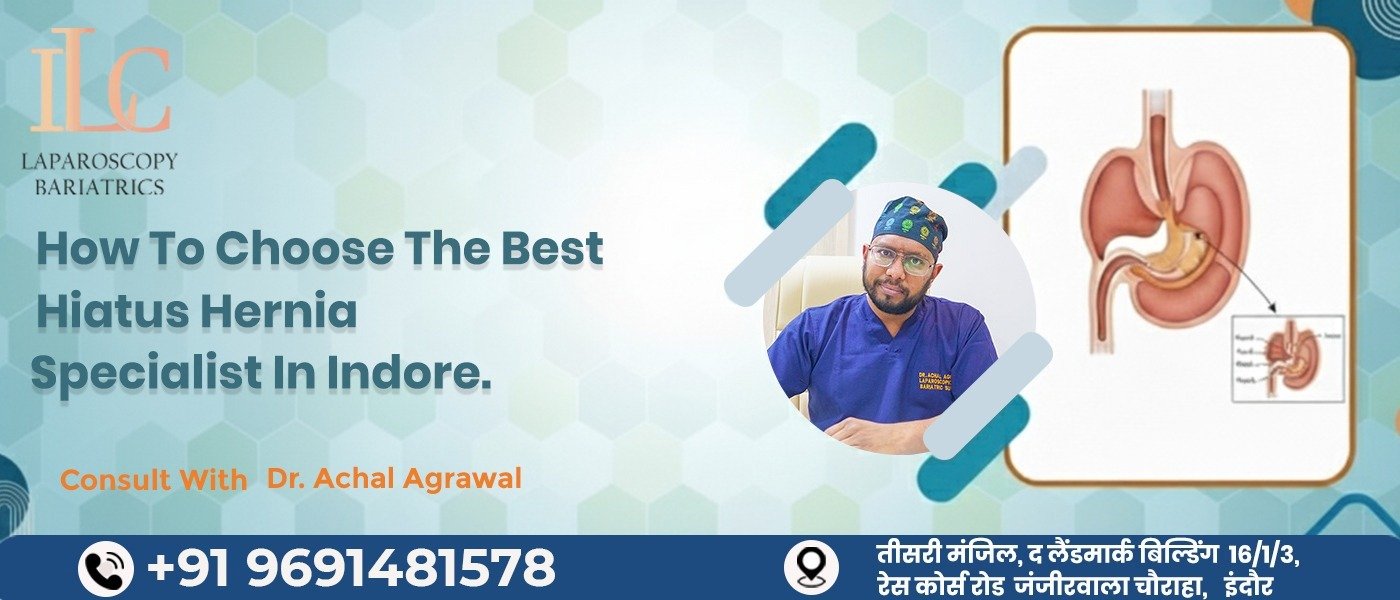
A hiatus hernia, also known as a hiatal hernia, occurs when the top of your stomach pushes up through an opening in your diaphragm into your chest. The diaphragm is a large, thin sheet of muscle that separates your abdominal cavity from your chest cavity and plays an important role in breathing by contracting and relaxing.
Sometimes, a weakness or opening in the diaphragm allows a portion of the stomach to protrude upward into the chest cavity. Hiatus hernias can vary in size and severity—while many are asymptomatic, some may cause heartburn, regurgitation, chest pain, or difficulty swallowing.
Treatment options depend on the severity and may include lifestyle modifications or surgical intervention.
Hiatus Hernia and Heartburn
Rarely does a hiatus hernia itself show any symptoms. However, it might result in a condition known as gastro-oesophageal reflux disease (GORD).
Where stomach acid enters the oesophagus is known as GORD (the tube that carries food to the stomach). It could happen if a hiatus hernia interferes with the proper operation of the valve at the base of the oesophagus.
Because your oesophagus is not shielded from stomach acid, it may get very inflamed. This may result in symptoms like heartburn, chest pain, a bad taste in your mouth, and difficulty swallowing (dysphagia).
If you experience frequent and severe GORD symptoms, you should visit hernia specialist Indore.
Symptoms of Hiatus Hernia
Many people never have symptoms of hiatus hernias. But among those who do, the most common symptoms are related to chronic acid reflux (gastroesophageal reflux disease, or GERD).
These include:
Heartburn – A burning sensation in your chest, especially after eating.
Noncardiac chest pain – Recurring chest pain that feels like angina, but isn’t.
Indigestion – Feeling full soon after eating, with a burning type of abdominal pain.
Burping and regurgitation – Food, gas and acid rising back into your throat.
Difficulty swallowingor a lump in your throat when you swallow.
Sore throatand hoarseness when you speak, due to irritation from the acid.
Nausea, due to compression of your stomach or acid overflow, or both.
Shortness of breath, if your hernia is compressing your lungs.
Pressure or pain in your upper abdomen or your lower chest.
What Causes a Hiatus Hernia?
Hiatus Hernia can occasionally happen in new-born. Although the actual cause of a Hiatus Hernia is unknown, it could be brought on by abdominal pressure or aging’s weakening of the diaphragm if the stomach or the diaphragm doesn’t develop properly,
Some of the most common forces that create abdominal pressure and contribute to hiatus hernias include:
Chronic coughing or sneezing.
Chronic straining to poop (constipation).
Chronic obesity (BMI, or body mass index, greater than 30).
Frequent vomiting.
Intense exercise or heavy lifting.
Pregnancy and childbirth
What are the possible complications of a hiatal hernia?
The most common problem that hiatal hernias cause is chronic acid reflux. Chronic acid reflux can do damage to your esophagus over time, if it’s severe and medications don’t manage it well enough.
Complications of chronic acid reflux can include:
Esophagitis – Acid in your esophagus causes inflammation of your esophagus lining. Chronic inflammation can cause pain, swallowing problems, ulcers and even bleeding.
Esophageal stricture – Chronic inflammation can cause scarring of your esophagus tissues. Scar tissue can interfere with your swallowing muscles and cause your esophagus to narrow.
Gastrointestinal obstruction – Your stomach or another organ could get stuck and compressed or twisted in the hiatus, creating a blockage in your gastrointestinal tract.
Gastritis –Trapped acid in the herniated part of your stomach could cause inflammation, stomach ulcers and bleeding inside.
Diagnosis of Hiatus Hernia
Tests that can diagnose a hiatal hernia include:
Chest X-ray – A chest X-ray or radiograph uses radiation to take still, black-and-white images of the inside of your chest cavity, where your esophagus lies.
Upper GI endoscopy – An upper endoscopy goes inside your esophagus and stomach with a tiny camera on the end of a long tube. It projects live images onto a screen.
Esophageal manometry. This test uses a catheter inside your esophagus to take pressure measurements of the muscles. It converts the data into a topographical pressure map.
Hiatus Hernia can be diagnosed at any age, But in the below person it occurs in maximum stages like :
Treatment of Hiatus Hernia
Hernias don’t go away. They usually get worse over time. But that doesn’t mean your hernia will cause problems for you. If your hiatal hernia never causes any symptoms, you might not need to treat it. But if it does, you can expect those symptoms to continue and possibly worsen. You might be able to manage mild acid reflux with medications. But if you have a more severe case, you might need surgical repair.
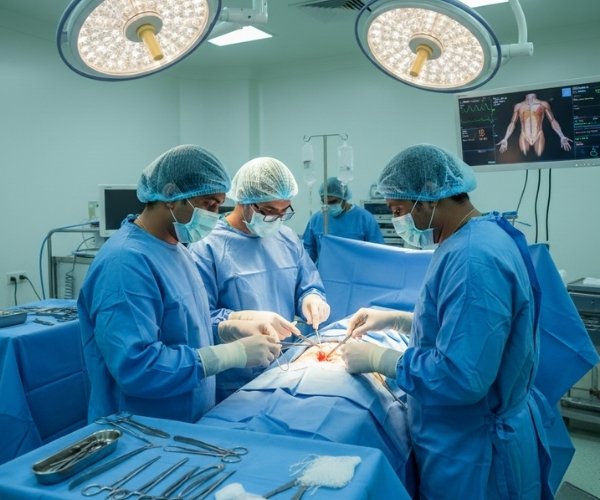
Surgery – surgical procedure can repair your hiatus hernia. Surgery is an option for anyone, though not everyone will need it. Some people may need it sooner and others later.
Surgeon recommend hernia repair surgery when:
Your hernia causes symptoms or complications that medications can’t prevent.
The medications cause side effects that affect your health or quality of life.
Your hernia is large enough to be a risk for major complications in the future.
Minimally Invasive laparoscopic Hiatus hernia surgery repairs the hernia and reflux by a procedure called fundoplication. During the procedure, your surgeon wraps the fundus around your lower esophagus and attaches it with surgical staples or stitches. This tightens the muscle that separates the two organs (lower esophageal sphincter).
Recovery from hiatus hernia surgery
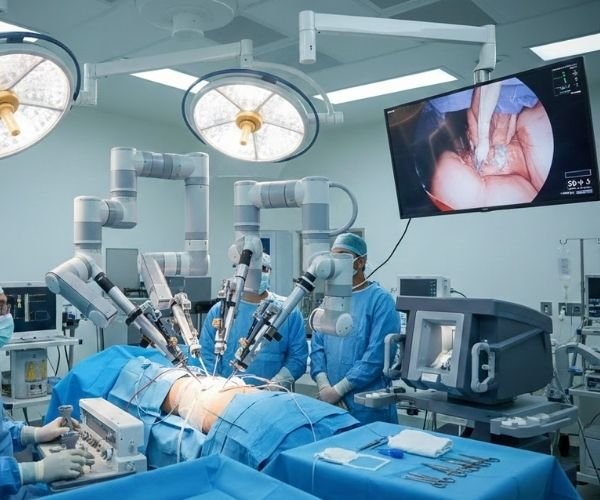
You may need to recover in the hospital for a day or two, depending on your condition. Recovery is generally shorter and easier when you have laparoscopic surgery or Robotic surgery for hernia repair. That’s because these methods use small, keyhole incisions instead of the larger incision needed for open surgery.
You’ll continue to recover at home for another two to six weeks. During this period, while your surgery is healing, you won’t be able to eat normally due to temporary symptoms and side effects. Surgeon will prescribe a very limited diet, beginning with clear liquids and gradually progressing to soft foods and, finally, solids.
Who's Affected?
Over 50 years of age
Overweight
Pregnant
The most common hiatus hernia forms are two. As follows:
More than 80% of hiatus hernias are sliding hernias, which slide up and down and in and out of the chest region.
About 5–15% of hiatus hernias are of the para-oesophageal kind, also known as rolling hernias, in which a portion of the stomach pushes through the opening in the diaphragm adjacent to the oesophagus.
Lifestyle advice may include:
Eating fewer, smaller meals more frequently as opposed to three substantial meals a day
After eating or drinking, stay upright for three hours before lying down, including sleeping.
Eliminate any foods or beverages from your diet that aggravate your symptoms.
Treatment Options for Hiatus Hernia
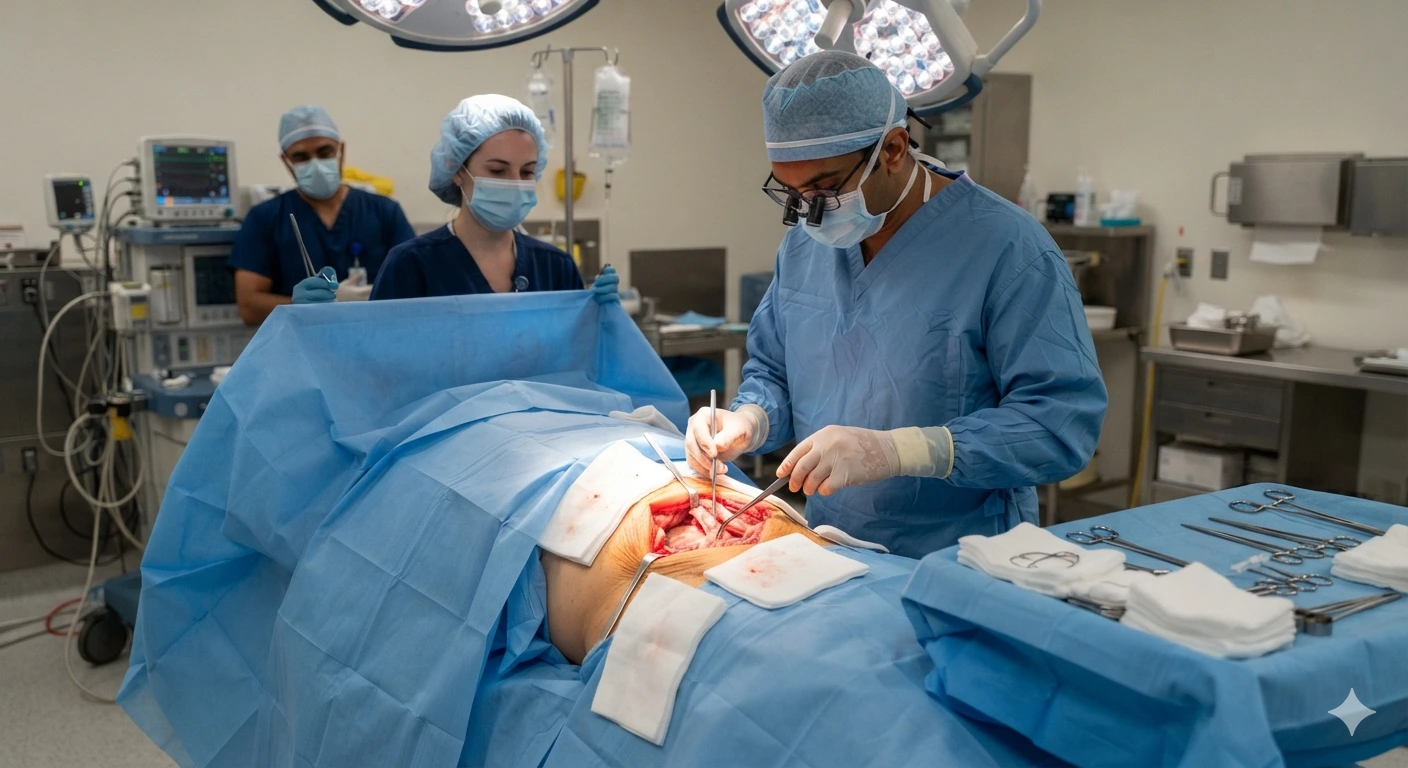
Open Hiatus Hernia Repair
is the traditional method for hernia repair. Your surgeon makes one long cut across your pelvis to open up your pelvic cavity.
is a minimally invasive technique. Your surgeon makes several small, half-inch incisions in your abdomen, which heal relatively fast. Through one “keyhole,” they insert a laparoscope, a thin tube with a video camera attached.
also uses a laparoscope. The difference is that the surgeon is seated at a console in the operating room and handles the surgical instruments from the console.