
Home > Hernia Treatment >Ventral Hernias
Dr. Achal Agrawal, one of the trusted Abdominal Hernia Surgeons in Indore, offers safe ventral hernia treatment. As an experienced surgeon and expert in laparoscopic and minimally invasive hernia repair, you can expect a faster recovery time, less pain, and long-lasting relief. You will enjoy personalized care for all patients.
Along the vertical centre of the abdominal wall, a ventral hernia (also known as abdominal hernia) develops. Abdominal pain is one of the symptoms, especially while lifting or exerting oneself. Surgery is used to treat the hernia, including open, laparoscopic, and robotic procedures.
A ventral hernia, also known as an abdominal hernia, is a condition where there is a protrusion of abdominal tissue through a weakness or defect in the abdominal wall. “Ventral” refers to the front or belly area, and this type of hernia occurs through the front abdominal muscles. It can develop at any location on the front of the abdomen and may occur due to a variety of causes, such as a previous surgery, pregnancy, or obesity.
The symptoms of a ventral hernia may include a visible bulge or swelling, discomfort or pain, and in severe cases, nausea or vomiting.
Treatment options may include watchful waiting, lifestyle modifications, or surgical repair, depending on the severity and underlying cause of the hernia. It is important to seek medical attention if you suspect you have a ventral hernia.

There are many causes including:

Umbilical hernias occur in the natural weak spot surrounding your belly button. They’re often congenital (present at birth).
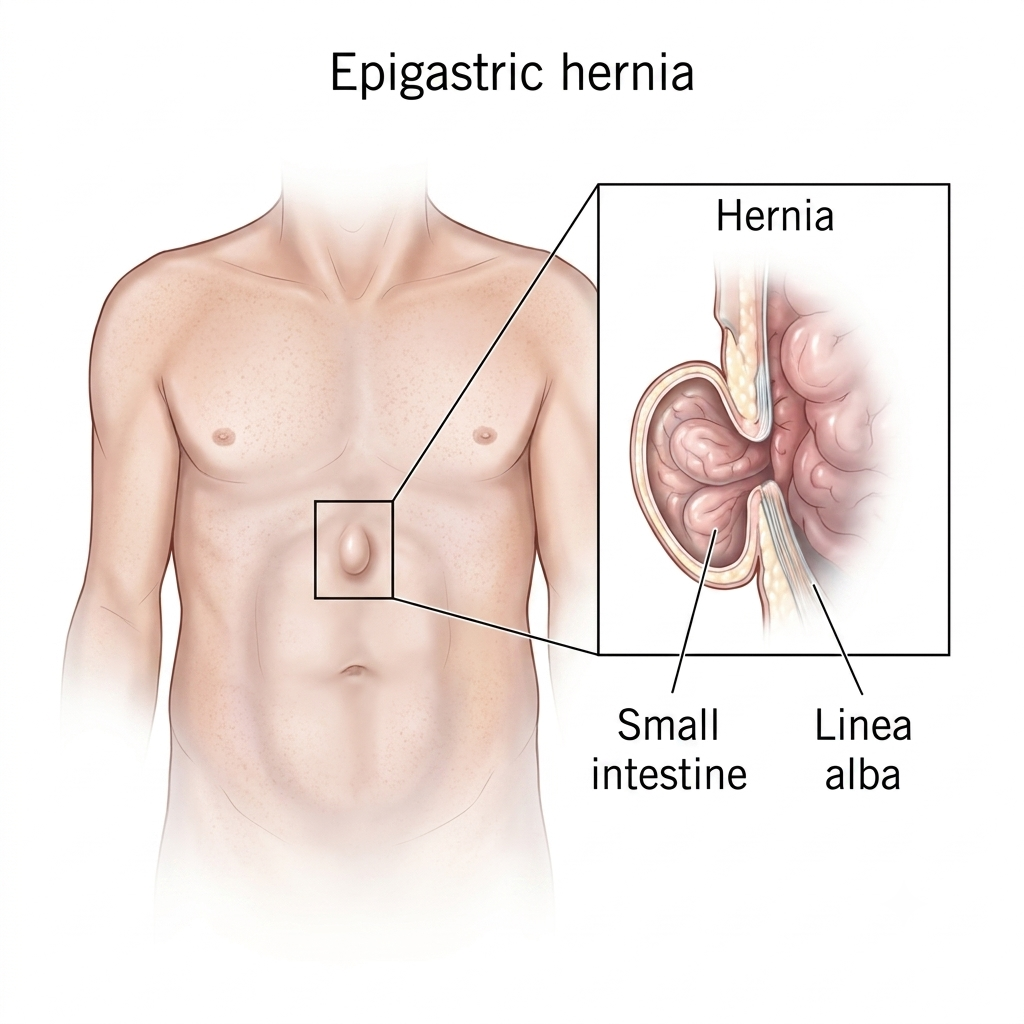
Your epigastric region (epigastrium) is the upper part of your abdomen that lies between your belly button and your breastbone.
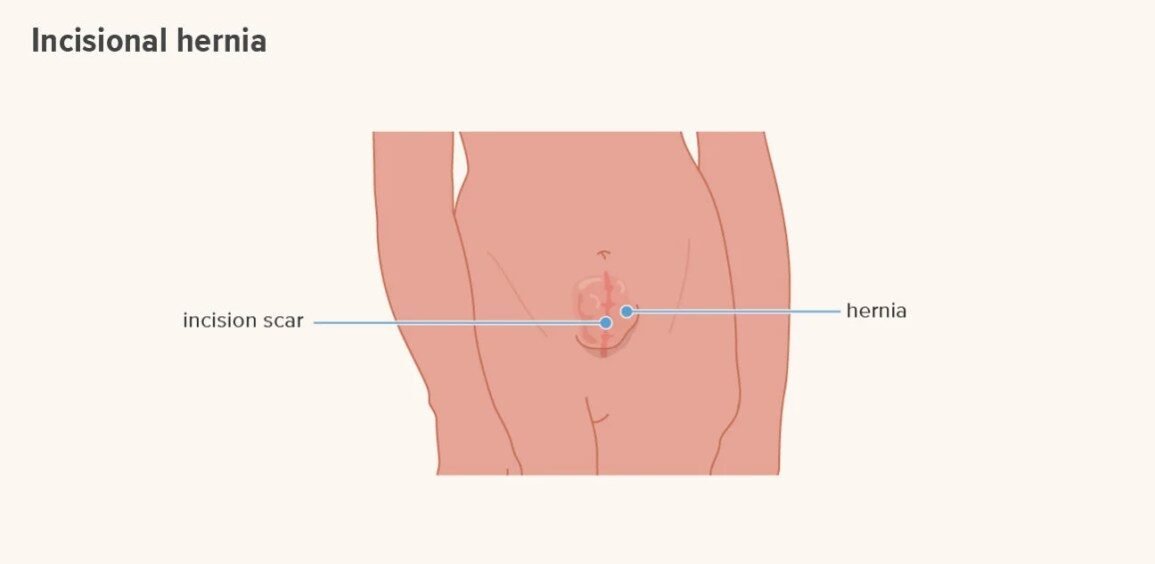
An incisional hernia occurs at the site of a former surgical incision through your abdomen. It’s a common side effect of abdominal surgery.
The first sign of a ventral hernia is usually a visible bulge that appears somewhere in your front abdominal wall. You may only see it emerge occasionally during certain activities or in certain positions that contract your abdominal muscles.
For example : laughing, coughing,sneezing,crying etc.
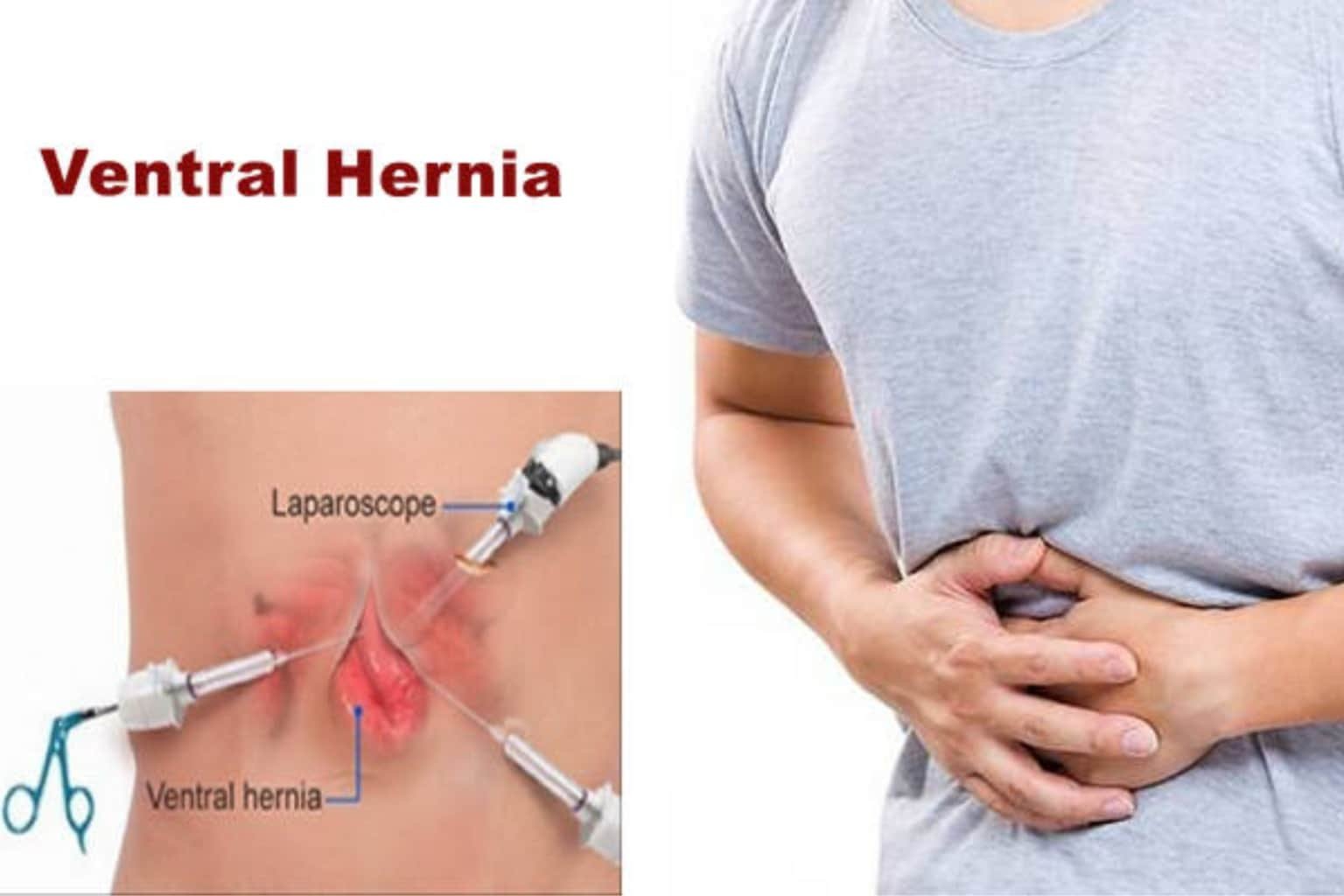
If a portion of the intestine protrudes through the abdominal wall and gets stuck in the opening, it may cause excruciating stomach pain. The confined section of the intestine becomes strangled, loses its blood supply, and begins to decompose if this occurs. This is a medical emergency that needs to be attended to right away.
Your medical and surgical past will be examined by your ventral Hernia Doctor in Indore. Additionally, he or she will conduct a physical examination of the abdomen to check for any potential ventral hernias. In order to check for symptoms of a ventral hernia, your doctor may then request imaging studies of your abdomen. These examinations could involve an ultrasound, a computed tomography (CT) scan, or an MRI test.
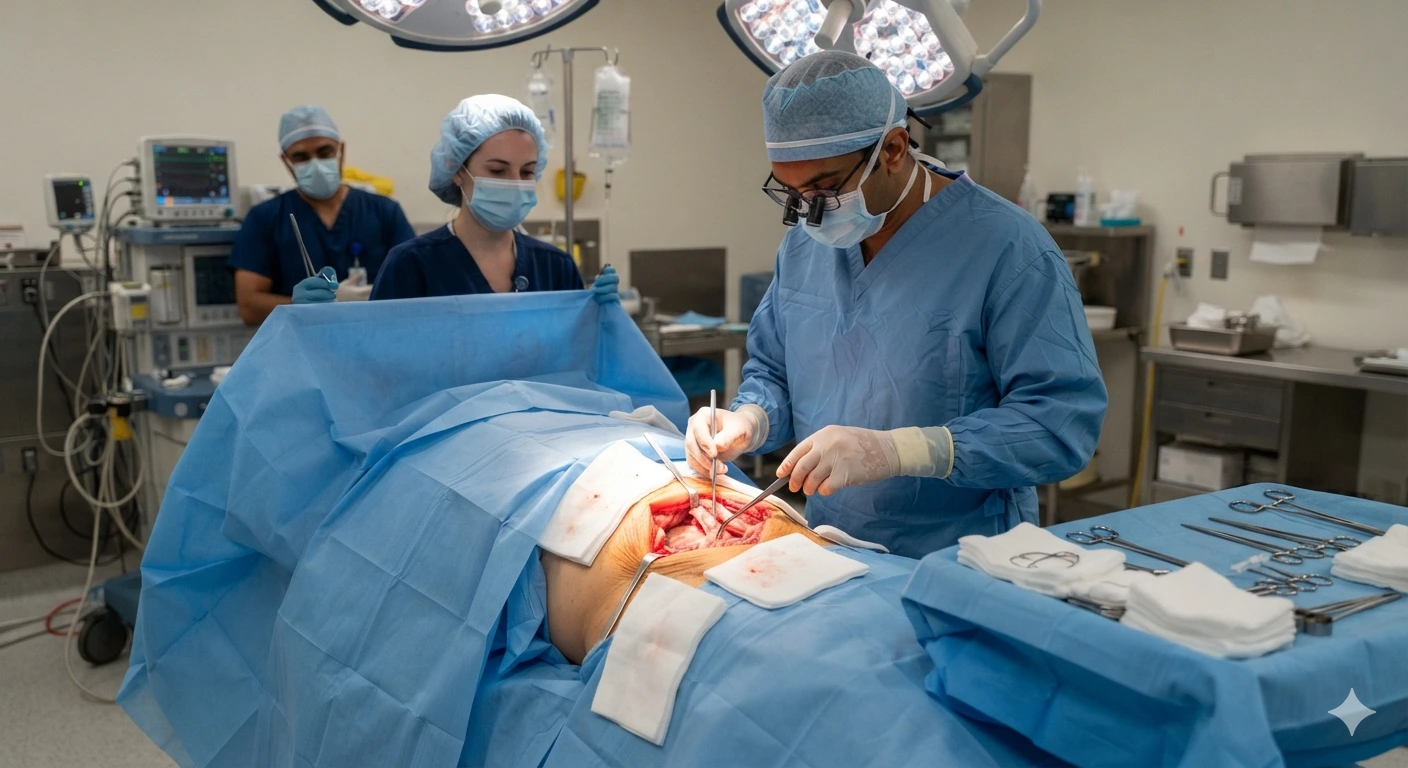
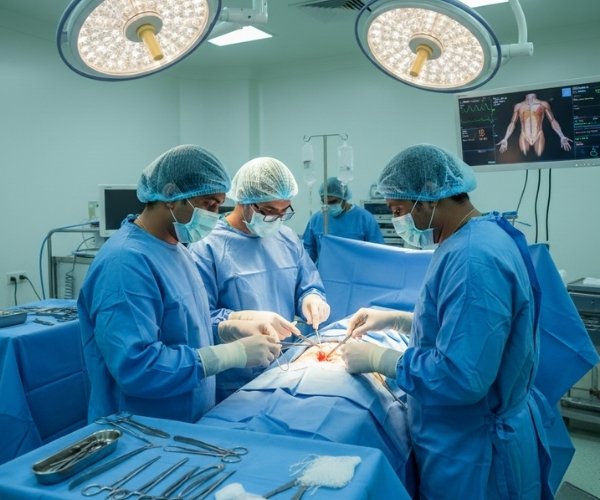
Open surgery is the traditional approach to hernia repair surgery. A surgeon makes an incision over the hernia to expose the area and repair it directly.
Laparoscopic surgery is a minimally invasive method. A surgeon makes several small incisions, about a half-inch long, to access the site. Through one incision, they place a small camera called a laparoscope that projects to a screen. Through the others, they operate with long, narrow tools, while watching the screen.
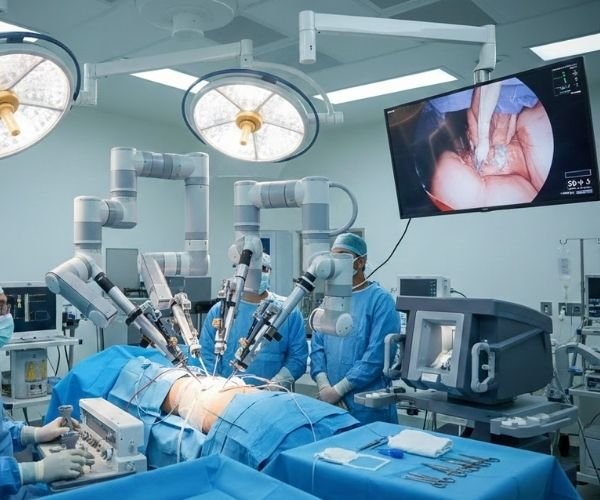
Robotic surgery for hernia repair is another minimally invasive method. Robotic surgery also uses small incisions, long tools and a laparoscope. The difference is that the surgeon operates the tools by controlling robotic hands from a computer console.
Yes. Ventral hernia surgery is generally safe when performed by an experienced surgeon using advanced laparoscopic or robotic techniques, with a low risk of complications.
Laparoscopic ventral hernia surgery offers smaller incisions, less pain, faster recovery, and a shorter hospital stay compared to open surgery for many patients.
The cost of ventral hernia surgery in Indore depends on the hernia type, surgical technique, hospital, and insurance coverage. A consultation provides an accurate estimate.
Most patients recover within 2–6 weeks, depending on the type of surgery and the size of the hernia. Minimally invasive laparoscopic or robotic surgery usually allows a faster recovery than open surgery.
Educational & Awareness Videos
The Amazing Steps Of Our Treatment
1
Book your Appointment
2
In Person Counselling
3
Weekly Followup

get in touch
The Amazing Steps Of Our Ventral Hernia Treatment
Get expert diagnosis and personalized treatment for all types of hernias. Fill out the form, and our team will contact you shortly.
1
Book your Appointment
2
In Person Counselling
3
Weekly Followup
Book Your Hernia Consultation