Home > Hernia Treatment> Inguinal Hernia Surgery
An inguinal hernia happens when fatty tissue or a loop of intestine pushes through a weak spot in the lower abdominal wall, showing up as a bulge in the groin. If you want inguinal hernia treatment in Indore, Dr. Achal Agrawal, consultant laparoscopic and GI surgeon at Indore Laparoscopy Center, Indore, can examine you and explain which repair suits your case. A hernia does not heal by itself, but not every one needs surgery on the same day. A short consultation usually settles that.
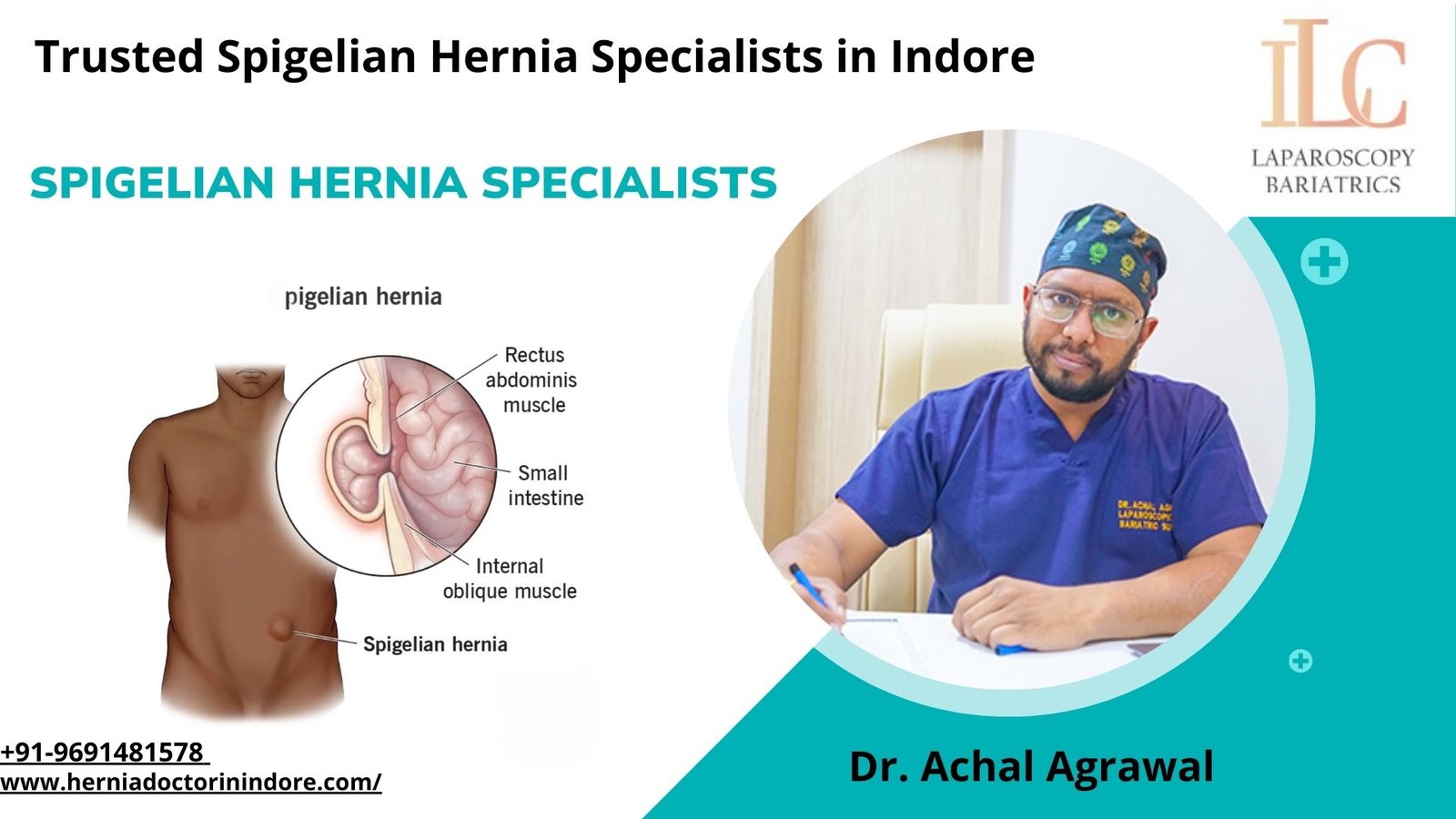
When tissue from one body cavity pushes through a tear in your muscular wall and into another, this condition is known as a hernia. The most typical kind of hernia is an inguinal hernia. They develop when a hole in your lower abdomen wall is penetrated by abdominal tissue, such as belly fat or a loop of intestines. This is the boundary between your groin and your abdomen.
The inguinal canal, which extends from either side of your pelvis into your sex organs, is where inguinal hernias develop. Another name for them is groyne hernias. (The term “inguinal” refers to the groyne.) Although they are not the only type, they are the most typical. (Femoral hernias, which occur in the smaller femoral canal that lies underneath the inguinal canal, are less frequent.)
LIH stands for left inguinal hernia and RIH for right inguinal hernia. The letters only tell you which side of the groin is affected, so “LIH surgery” simply means repair of a left-sided hernia. The repair methods are the same on either side. When both sides are involved, it is called a bilateral hernia.

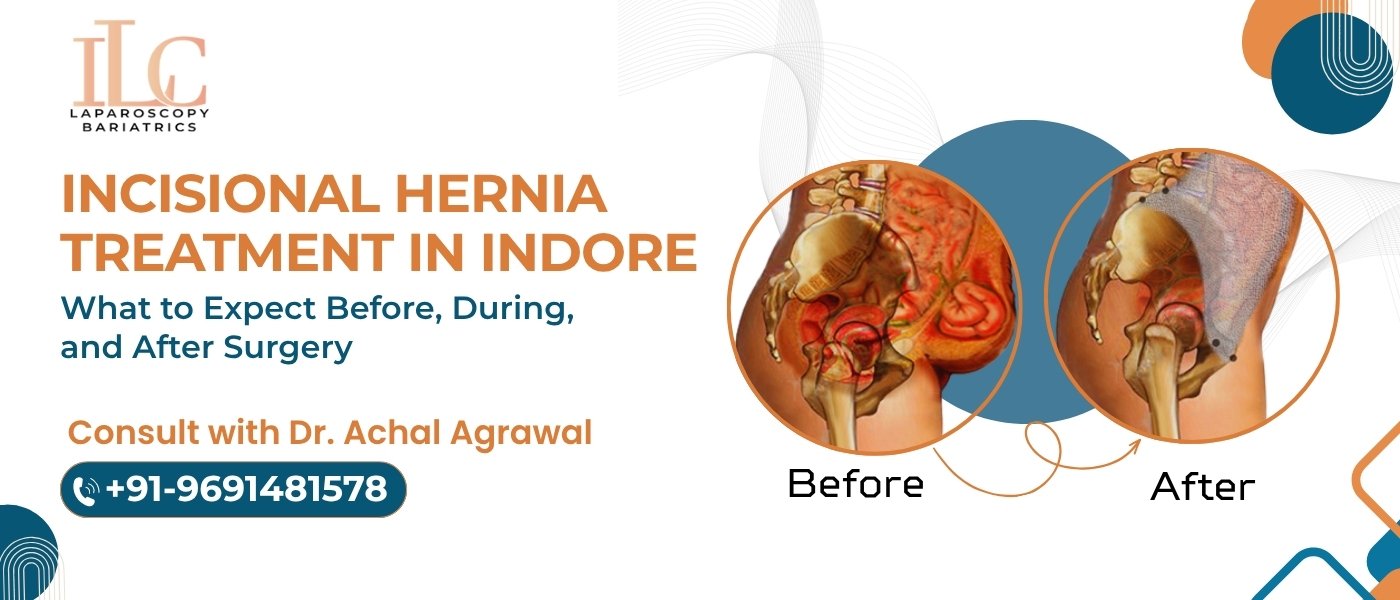
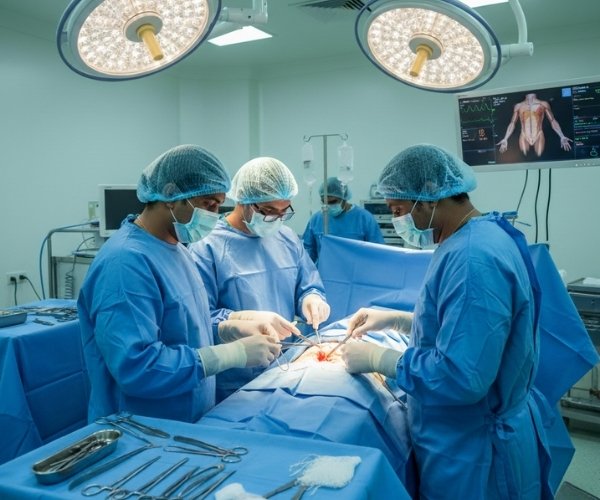
Surgery closes the weak spot, usually with a mesh for support. The three approaches are open, laparoscopic, and robotic. The right one depends on the size of the hernia, whether it is on one side or both, whether it has returned, and your overall health. The surgeon decides this after an examination.
Option | How it is done | Anaesthesia | Recovery | Suitable for |
Open mesh repair | One cut in the groin; mesh placed over the weak spot | [CLINIC TO CONFIRM] | [CLINIC TO CONFIRM] | Many first-time, single-side hernias |
Laparoscopic (TEP/TAPP) | Several small keyhole cuts, camera-guided | [CLINIC TO CONFIRM] | [CLINIC TO CONFIRM] | Bilateral or recurrent hernias, after assessment |
Robotic repair | Keyhole approach using a robotic system | [CLINIC TO CONFIRM] | [CLINIC TO CONFIRM] | Selected cases: [CLINIC TO CONFIRM] |
Open repair is the older, well-tested method. Laparoscopic and robotic approaches use smaller cuts and a camera-guided technique. No approach is best for everyone.
The cost is not a fixed number. It changes with the type of surgery, the hospital and room type, the mesh used, anaesthesia, tests before surgery and insurance coverage. Ask for a written estimate before you decide.
Direct Inguinal Hernia: Your inguinal canal’s wall is immediately breached by a direct inguinal hernia. Adults develop this kind of hernia over time as a result of weaker abdominal muscles and on-going pressure on the muscle wall.
Indirect Inguinal Hernia: Your inguinal canal is entered by an indirect inguinal hernia from the top. Usually, a congenital defect causes this to happen. Some foetuses’ canal openings do not completely close during development in the uterus.
How serious is an inguinal hernia?
Hernias aren’t necessarily dangerous, but they can have serious side effects. Hernias do frequently get worse over time. More tissue can pass through the gap as it gets broader and weaker. The likelihood of tissue becoming trapped increases as more tissue pushes through. In extreme circumstances, this can be dangerous as well as painful. Once stuck, a section of your intestine may become squeezed, obstructed, or its blood supply may be severed.

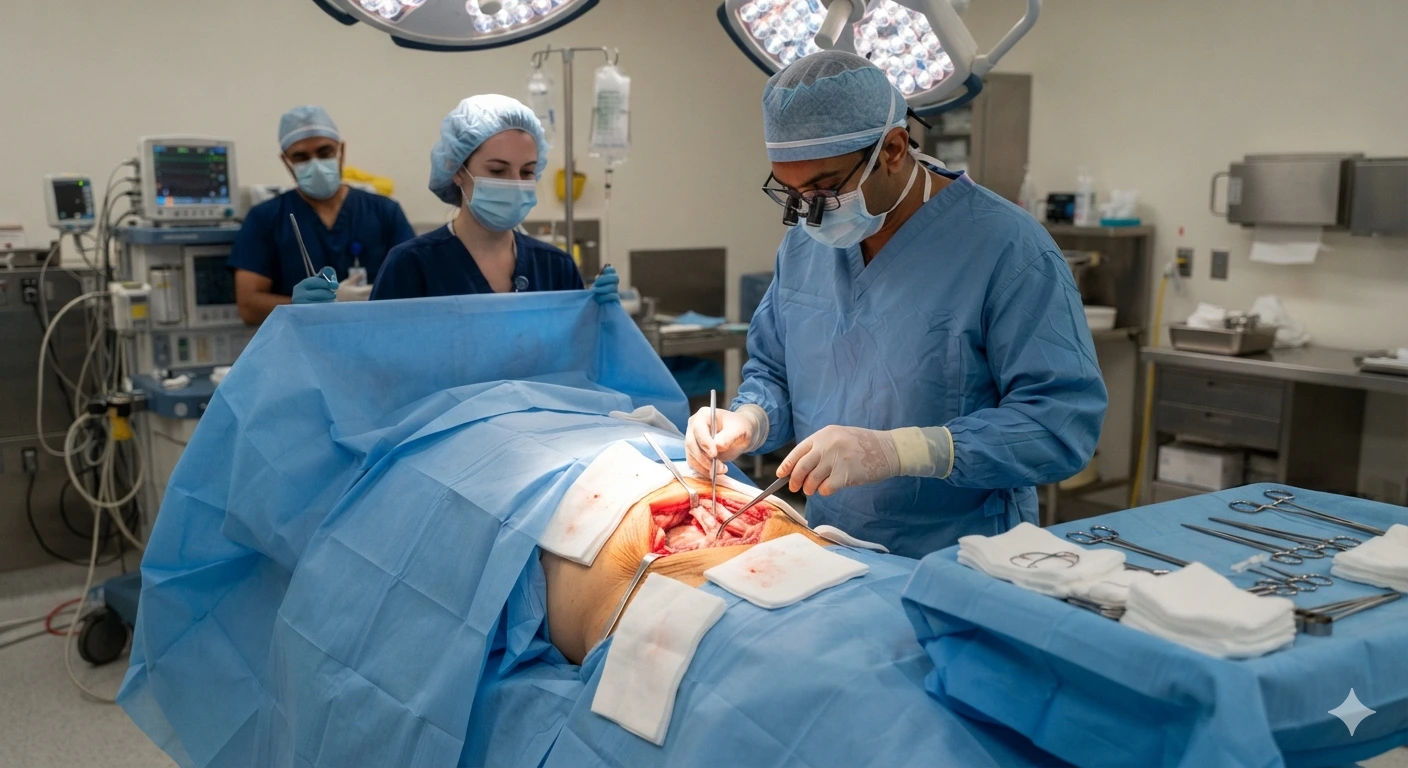
is the traditional method for hernia repair. Your surgeon makes one long cut across your pelvis to open up your pelvic cavity.
is a minimally invasive technique. Your surgeon makes several small, half-inch incisions in your abdomen, which heal relatively fast. Through one “keyhole,” they insert a laparoscope, a thin tube with a video camera attached.
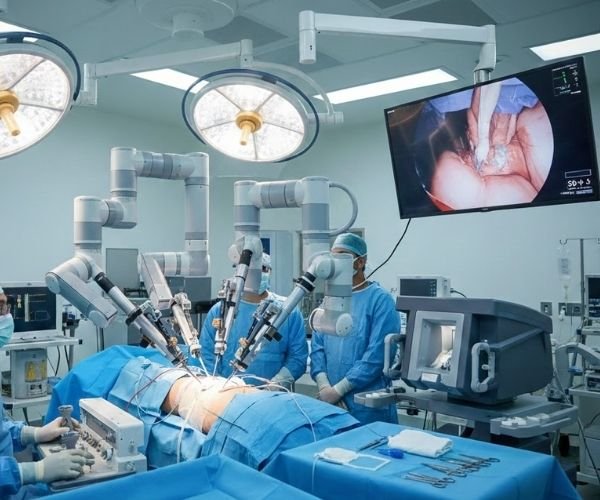
also uses a laparoscope. The difference is that the surgeon is seated at a console in the operating room and handles the surgical instruments from the console.
Patient Stories
Yes, Definitely a doctor specialized in treating inguinal hernia can provide a thorough evaluation of your condition. They have the expertise to diagnose the severity of the hernia, discuss some of the best options for inguinal hernia treatment in Indore, and address any concerns you may have.
In Indore, common surgical options for inguinal hernia include open hernia repair (traditional or tension-free) and laparoscopic hernia repair. Your doctor will recommend the most suitable procedure based on your specific condition.
To find an inguinal hernia surgery specialist in Indore, you can ask for recommendations from your primary care physician, consult online directories of doctors and hospitals, or seek referrals from friends or family members who have undergone hernia surgery. Additionally, conducting online research and reading patient reviews can also help you find a suitable specialist in your area.
The cost of inguinal hernia surgery in Indore can vary depending on several factors, including the hospital or clinic, the surgeon’s fees, the type of surgery performed, and any additional tests or medications required. It is best to consult with multiple healthcare providers or hospitals to obtain cost estimates and understand what is included in the overall price. Additionally, health insurance coverage may also play a role in determining the out-of-pocket expenses for the surgery.
Inguinal hernia surgery in Indore is not restricted by age in general. However, the suitability of surgery for very young or elderly individuals will be assessed on a case-by-case basis, taking into account overall health and individual circumstances.
After inguinal hernia surgery in Indore, you will receive instructions on wound care, pain management, and activity restrictions. It is crucial to follow these guidelines to promote proper healing and minimize the risk of complications.
The duration of a consultation with an inguinal hernia doctor in Indore can vary, but it generally lasts around 15 to 30 minutes. This allows the doctor to evaluate your condition, discuss treatment options, and address any concerns you may have.
Yes, many inguinal hernia surgery in Indore can be performed as outpatient procedures, meaning that you can go home on the same day of the surgery. However, this depends on various factors, including the complexity of the hernia and your overall health.
The success rate of inguinal hernia surgery in Indore can vary depending on several factors, including the surgeon’s experience, the technique used, and individual patient factors. It is best to discuss this question with your surgeon, as they can provide specific information based on their practice and outcomes.
Yes, there are minimally invasive surgical options available for inguinal hernia treatment in Indore, such as laparoscopic hernia repair. These techniques involve smaller incisions, resulting in potentially faster recovery, less post-operative pain, and reduced scarring.
It depends on your case. Look for surgical training, experience in the technique you need, clear advice on mesh, proper follow-up and genuine reviews. Dr. Achal Agrawal, consultant laparoscopic and GI surgeon at Indore Laparoscopy Center, Indore, is one surgeon you can consult.
No, it does not close on its own. Some people with very mild symptoms may be advised to wait and watch, but that is the doctor’s call. Any sudden severe pain or a bulge that won’t go back needs urgent attention.
The Amazing Steps Of Our Inguinal Hernia Treatment
Get expert diagnosis and personalized treatment for all types of hernias. Fill out the form, and our team will contact you shortly.
1
Book your Appointment
2
In Person Counselling
3
Weekly Followup
Book Your Hernia Consultation