TL;DR
- An inguinal hernia happens when tissue pushes through weakened abdominal muscles in the groin.
- Common symptoms include a bulge, pain, and discomfort when lifting or coughing.
- Risk factors include heavy lifting, obesity, and muscle weakness.
- The best treatment for a patient is surgery.
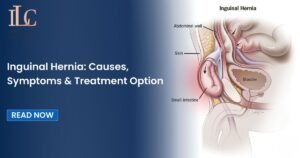
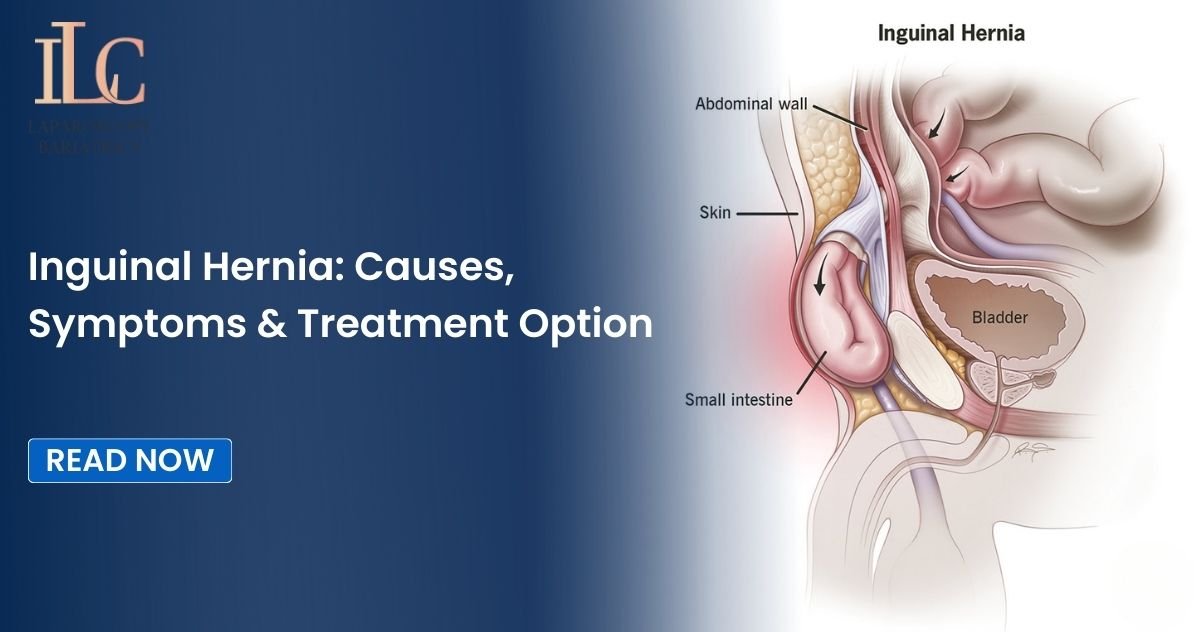
An Inguinal Hernia Is a Type Of Hernia that is among the most common, occurring when a section of tissue or intestine protrudes through a weak point in the lower abdominal wall near the groin. Men are more affected by this condition, but it also affects women. Although initial stages can be somewhat uncomfortable, inguinal hernias can be left untreated, with some individuals gradually developing in size and causing severe complications.
Being aware of the causes, symptoms, and some possible Treatments Of An Inguinal Hernia may help individuals to address their medical care as soon as possible and avoid additional complications.
What Is an Inguinal Hernia?
Inguinal means groin, and in this case, the abdominal wall can have acquired a weakness. An increase in abdominal pressure causes tissues to push through this point of weakness, producing a protrusion.
There are two main types of inguinal hernias:
- Indirect Inguinal Hernia: It is generally caused by an inborn fault in the abdominal wall and is rather frequent among young people.
- Direct Inguinal Hernia: It usually occurs over the years as a result of muscle wearing out and has a higher prevalence in adults.
Both types may cause discomfort and require medical evaluation.
Causes of Inguinal Hernia
Inguinal hernias can develop due to a number of different factors, which include:
- Weak abdominal muscles
- Heavy lifting or strenuous physical activity
- Chronic coughing or sneezing
- Obesity
- Pregnancy
- Straining during bowel movements
- Aging and muscle weakness
These preventive issues cause strain in the abdomen, which can cause the formation of hernias.
Common Symptoms
An inguinal hernia may produce different symptoms according to the extent of the hernia. Common signs include:
- An observable lump in the groin region.
- Hurt or pain during lifting, bending, or coughing.
- Pain in the heavy or dragging of the groin.
- Smouldering or sore about the bulge.
- Swelling in men in the testicles (in a few cases).
When the Hernia Is Entangled Or Strangulated, it may result in excruciating pain, nausea, and vomiting. This is seen as a medical emergency and should be treated urgently.
Treatment Options for Inguinal Hernia
Surgery is the only long-term resolution of inguinal hernias. Depending on the size of the hernia and the overall health of the patient, the nature of the procedure that will be recommended is determined.
Common surgical options include:
Open Hernia Repair
During such a process, the surgeon will make a cut in the groin region and fix the weakened muscle with stitches or a surgical net.
Laparoscopic Hernia Surgery
It is a less invasive, minimally invasive method whereby small incisions are made, and special tools are applied to fix the hernia, which causes minimal pain and quicker recuperation.
Conclusion
An inguinal hernia is a medical complication that is common and treatable. Timely surgical intervention and making the diagnosis early in its progression can avert the complications and give a long-term recovery.
In the case of the presence of a swelling or continuous pains in the groin, it is likely that a specialist visit is needed to identify the most effective treatment and guarantee a painless healing process.